 how-to
How to Reduce Nurse Burnout in Facilities: A 2026 Guide
Table of Contents
- Start With a Facility-Level Plan to Reduce Nurse Burnout
- How to Spot Nurse Burnout Before It Becomes Turnover
- Nurse Staffing and Burnout: Workload Design Beyond Headcount
- Flexible Scheduling for Nurses: Shift Length, Rest, and Breaks
- Nurse Burnout Prevention Strategies That Fit Your Care Setting
- Nurse Retention Strategies That Measure Whether Burnout Is Improving
- Your First 90 Days: A Step-by-Step Facility Action Plan
- Conclusion: Build the Conditions That Keep Nurses
- Frequently Asked Questions
Last Updated: October 10, 2026
Start With a Facility-Level Plan to Reduce Nurse Burnout
Reducing nurse burnout starts with a facility-wide plan, not a wellness poster in the break room.
So how do you reduce nurse burnout without adding another item to an already full plate? Treat it like any other operational problem.

The Four Workstreams: Staffing, Scheduling, Support, and Measurement
A plan that works rests on four workstreams:
- Staffing: match workload to patient acuity, not just headcount
- Scheduling: protect shift length, rest between shifts, and breaks
- Support: build peer support, communication, and recognition into the week
The rest of this guide walks through each one, plus a 90-day plan to get moving.
How to Spot Nurse Burnout Before It Becomes Turnover
Nurse burnout is easiest to fix early, when signs are behavioral rather than clinical. Watch for these signals:
- A reliable nurse starts calling out or arriving late
- Charting quality slips, or handoffs get rushed
- A usually social nurse stops joining huddles or meal breaks
A two-minute emotional check-in at the start of each shift surfaces most of this. Ask one question: what would make today easier? Then write down the answers.
Nurse Staffing and Burnout: Workload Design Beyond Headcount
Nurse staffing and burnout are linked, but not how most facilities assume. Two units can share a patient-to-nurse ratio and have very different burnout rates. The difference is workload design.
Workload is not just how many patients a nurse has. It is also:
- Patient acuity: how sick those patients are
- Task load: how many admissions, discharges, and transfers land on one shift
- Support load: whether aides, techs, and unit clerks are actually staffed
A common mistake is filling a schedule hole with any available nurse. If that nurse already carries the highest-acuity assignment, you have not solved the staffing problem, you have moved it.
Flexible Scheduling for Nurses: Shift Length, Rest, and Breaks
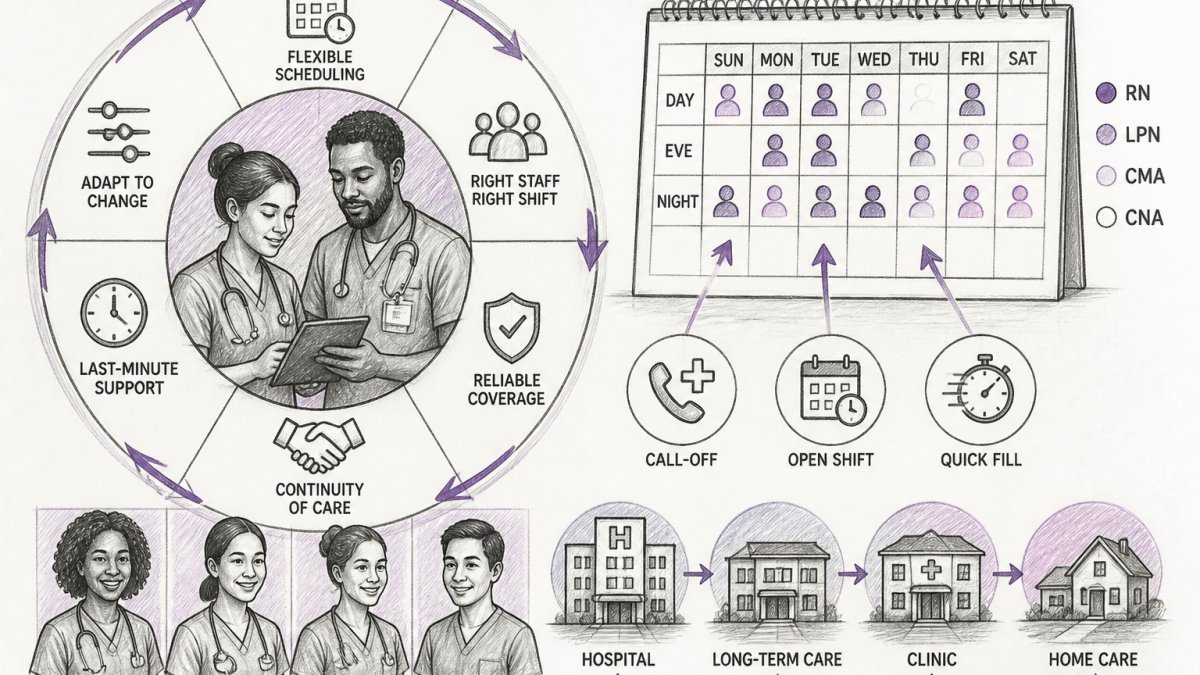
Flexible scheduling for nurses is the fastest lever most facilities can pull. It costs little, and nurses notice immediately.
Start with these rules:
- Cap consecutive shifts, and protect at least one full rest day after a run of nights
- Offer self-scheduling windows so nurses can trade shifts without a manager in the middle
- Stagger start times so handoffs do not dump every task on one shift
- Build micro-breaks into the shift, not just a single meal break
- Keep water and a real meal within reach, and treat breaks as protected time
| Problem | Fix | What It Protects |
|---|---|---|
| Long runs of shifts | Cap consecutive shifts | Rest between shifts |
| Rigid start times | Staggered handoffs | Workload balance |
| Skipped breaks | Scheduled micro-breaks | Hydration and recovery |
| Last-minute swaps | Self-scheduling window | Work-life boundaries |
Nurse Burnout Prevention Strategies That Fit Your Care Setting
Nurse burnout prevention strategies are not one-size-fits-all. The right mix depends on where your nurses work, and whether you are changing the job or asking the nurse to absorb it.
That distinction matters more than any single tactic. Organizational interventions change the work itself: staffing, scheduling, documentation, breaks, and decision-making.
A practical rule: fund individual supports now, and treat organizational fixes as the main event.
What Each Intervention Actually Does
| Intervention | Type | Mechanism | Best For | Trade-off |
|---|---|---|---|---|
| Acuity-based assignment changes | Organizational | Reduces sustained cognitive and physical load per nurse | Units with wide acuity swings | Requires a working acuity tool and manager time |
| Self-scheduling windows | Organizational | Returns control over time, a known burnout driver | Units with rigid or last-minute schedules | Needs clear guardrails to avoid coverage gaps |
| Protected micro-breaks | Organizational | Restores attention and hydration across the shift | Any unit with skipped breaks | Requires float or buddy coverage to be real |
| Documentation and task reduction | Organizational | Cuts low-value work and interruption load | Clinics and units with heavy charting | Needs IT and workflow support |
| Peer support and check-ins | Individual / team | Reduces isolation and normalizes distress | Smaller, close-knit teams | Can drift into venting without a structure |
| Counseling and EAP access | Individual | Provides clinical support for acute distress | Nurses in crisis | Underused if not confidential and off-shift |
| Mindfulness, meditation, yoga | Individual | Lowers acute stress reactivity | Any nurse, as a supplement | Does not fix chronic understaffing |
| Sleep and fatigue management | Individual | Improves recovery between shifts | Night and rotating shifts | Limited if the schedule itself is punishing |
Tailoring the Mix by Care Setting
Hospitals face the widest acuity swings and heaviest night-shift fatigue.
Skilled nursing facilities often struggle with long-term staffing and high turnover.
Assisted living teams are smaller and closer-knit. Peer support, emotional check-ins, and manager communication carry more weight than formal programs, because one burned-out nurse changes the whole shift.
Clinics see burnout tied to administrative load and the lost lunch hour. Cut documentation steps, batch non-clinical tasks, and protect the meal break before adding any wellness program.
Whatever the setting, self-care matters but is not the whole answer. Counseling, peer support, mindfulness, and journaling help a nurse cope, none fix a chronically short-staffed unit.
Nurse Retention Strategies That Measure Whether Burnout Is Improving
Nurse retention strategies only work if you can tell whether burnout is going down. Track a few simple measures monthly:
- Voluntary turnover rate, by unit and shift
- Absenteeism and overtime hours
- Exit interview themes
- A short, anonymous burnout pulse survey
Confidential feedback matters: nurses will not report emotional exhaustion on a survey their manager can trace back to them. Use anonymous collection and share results with staff, not just leadership.
Your First 90 Days: A Step-by-Step Facility Action Plan
Most guides stop at a list of recommendations. A plan only works if someone owns each step, the steps are sequenced, and you can tell at day 90 whether anything changed. Here is a facility action plan built that way.
Assign Owners Before You Assign Tasks
Every step below needs one named owner and one backup. Common assignments:
- Chief nursing officer or director of nursing, owns the overall plan and reports progress to leadership monthly
- Nurse managers, own unit-level scheduling, breaks, and check-ins
- Staffing or scheduling coordinator, owns self-scheduling windows and coverage for hard-to-fill shifts
- HR or people team, owns the anonymous survey, exit interview themes, and turnover data
If a step has no owner, it will not happen, the most common reason facility burnout plans stall.
Days 1-30: Assess and Baseline
- Pull 12 months of turnover, absenteeism, and overtime data by unit and shift. Facility-wide averages hide the unit actually burning out.
- Run an anonymous burnout pulse survey. Keep it short, a handful of items on emotional exhaustion, cynicism, and sense of control, and collect it in a way no manager can trace responses to individuals.
- Hold listening sessions on every shift, including nights and weekends. Day-shift-only sessions miss the nurses most affected.
- Map workload beyond headcount: patient acuity, admissions and discharges per shift, interruptions, and whether aides, techs, and unit clerks are actually staffed.
- Write down your baseline numbers. Without them, day 90 is a feeling, not a result.
Days 31-60: Act on the Two Biggest Problems
- Fix the two most obvious scheduling problems first, usually consecutive-shift runs and last-minute swaps. These are visible, cheap, and nurses notice within a pay period.
- Open a self-scheduling window with clear guardrails so coverage stays safe.
- Add micro-breaks and protect meal breaks. A break is only protected if someone is assigned to cover the nurse who takes it.
- Start peer support and emotional check-ins at the start of shift. One question, what would make today easier?, surfaces most issues in two minutes.
- Bring in flexible staffing coverage for the hardest-to-fill shifts so you can make changes without dumping more overtime on the nurses already on the floor.
Days 61-90: Measure, Adjust, and Set the Next Cycle
- Re-run the same pulse survey with the same items, so you can compare against baseline.
- Compare turnover, absenteeism, overtime, and missed breaks against your day-1 numbers, by unit and shift.
- Share results with staff, not just leadership. Nurses who never see the results stop answering the survey.
- Keep what moved the numbers, drop what did not, and set the next 90-day goals with the same owner structure.
What to Measure and What Each Signal Tells You
| Measure | What It Signals | Where to Pull It |
|---|---|---|
| Anonymous burnout pulse scores | Whether emotional exhaustion is rising or falling | Survey tool, unit level |
| Voluntary turnover, by unit and shift | Whether nurses are leaving the unit or the facility | HR records |
| Absenteeism and call-outs | Early strain before resignations | Scheduling system |
| Overtime hours | Whether staffing gaps are being absorbed by existing nurses | Payroll |
| Missed or skipped breaks | Whether break policy is real or on paper | Unit audits |
| Internal transfer requests | Whether nurses are escaping a unit rather than the job | HR records |
| Exit interview themes | Why people actually left, in their words | HR records |
Confidential feedback matters: nurses will not report emotional exhaustion on a traceable survey. Use anonymous collection, report only in groups large enough to protect individuals, and share results with staff, not just leadership.
For the hardest-to-fill shifts, a staffing partner can cover the gap while your own hiring catches up. Major Staffing provides last-minute shift coverage and long-term placements, so your team gets relief without adding more overtime to the nurses already on the floor.
Conclusion: Build the Conditions That Keep Nurses
Burnout is a facility problem and needs a facility answer. Staffing, scheduling, support, and measurement must move together.
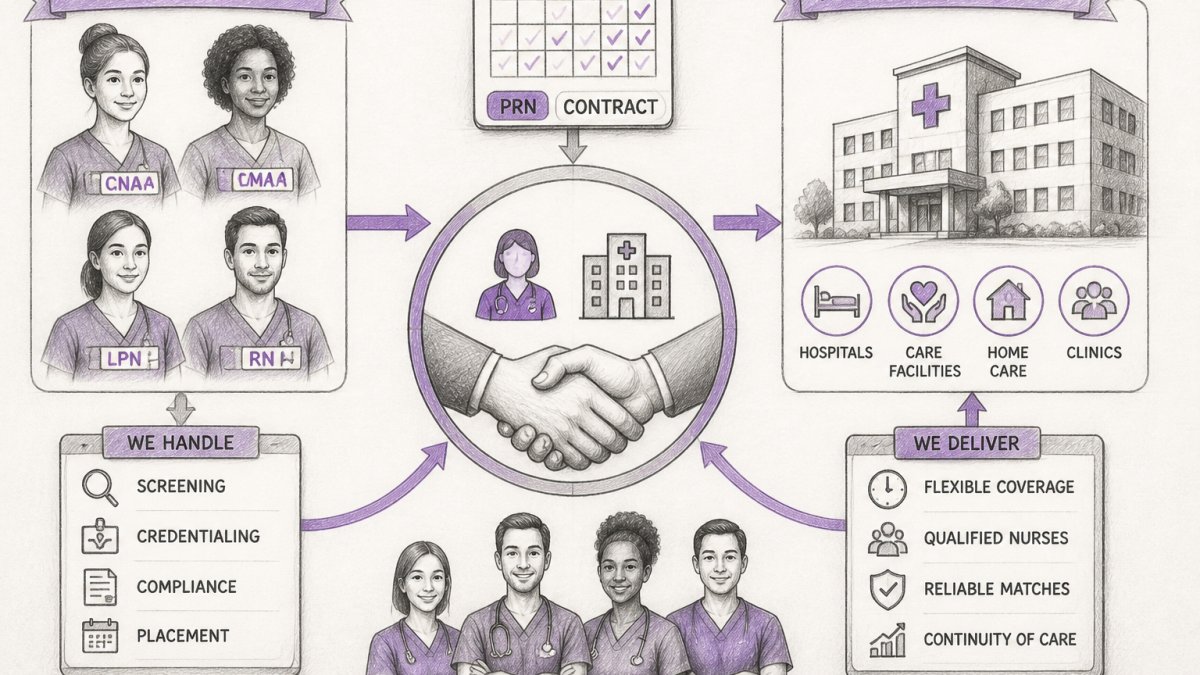
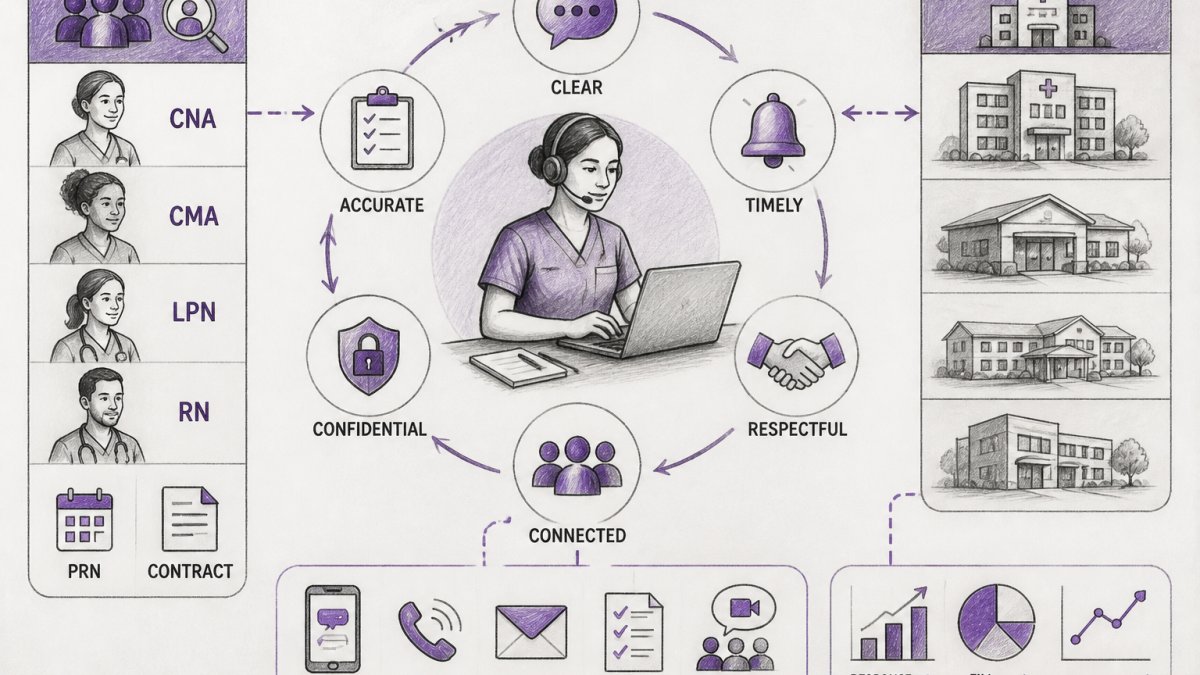
That is where we come in. Major Staffing is a nurse-led agency built on partnership, not placement. We offer flexible work opportunities for nurses, coverage for last-minute shifts and long-term placements, and supportive communication for every facility we serve.
Frequently Asked Questions
What are the most effective ways to reduce nurse burnout?
The strongest results come from combining organizational changes with individual support. On the organizational side: right-size staffing to patient acuity, offer flexible scheduling for nurses, protect meal and rest breaks, and give staff a real voice through confidential feedback. On the individual side: peer support, counseling, sleep and fatigue management, and time to recover between shifts. Facilities that track burnout scores, turnover, and absenteeism alongside these changes can tell what is actually working and adjust faster.
How does staffing affect nurse burnout?
Staffing shapes daily workload, and workload drives emotional exhaustion. When patient-to-nurse ratios climb or patient acuity rises without added support, nurses absorb the gap through overtime, skipped breaks, and shorter rest between shifts. That pattern erodes satisfaction and accelerates turnover. The fix is not just adding headcount; it also means matching skill mix to acuity, smoothing schedules, and using reliable coverage partners so a single call-out does not destabilize the whole unit.
Can flexible scheduling help prevent nurse burnout?
Yes. Flexible scheduling for nurses gives staff more control over shift length, start times, and rest between shifts, which supports sleep and recovery. Self-scheduling, predictable rotations, and limits on consecutive shifts reduce fatigue. The key is to pair flexibility with coverage safeguards, so the unit stays safe when preferences and patient needs conflict. Facilities that publish schedules well in advance and honor time-off requests see fewer last-minute call-outs and better retention.
What should a facility do when nurses report feeling overwhelmed?
Treat the report as a data point, not a personal problem. Acknowledge it quickly, review the workload on that unit, and check staffing, acuity, and break coverage for the affected shifts. Offer confidential support such as peer support or counseling, and follow up within two weeks with a specific change. When nurses see that raising a concern leads to action, they are more likely to stay engaged and less likely to leave quietly.